If you're researching a culinary school in Alberta, you've probably noticed something pretty quickly—most schools offer similar promises. Hands-on training. Experienced instructors. Industry connections.
So how do you decide?
For many students, the answer isn't simply choosing the closest school. It's choosing the environment that will challenge them, expose them to new ideas, and prepare them for a career that could take them anywhere.
That's why every year, students from Calgary, Edmonton, Red Deer, Medicine Hat, and communities across Alberta decide to pack their knives and head west to Vancouver.
Your Classroom Should Look Like a Professional Kitchen
- Cooking is one of those professions where reading about it only gets you so far.
- You can watch videos on knife skills or memorize the five mother sauces, but confidence only comes from repetition. The more time you spend in a kitchen, the more natural everything becomes—from breaking down a whole chicken to tasting a sauce and knowing exactly what's missing.
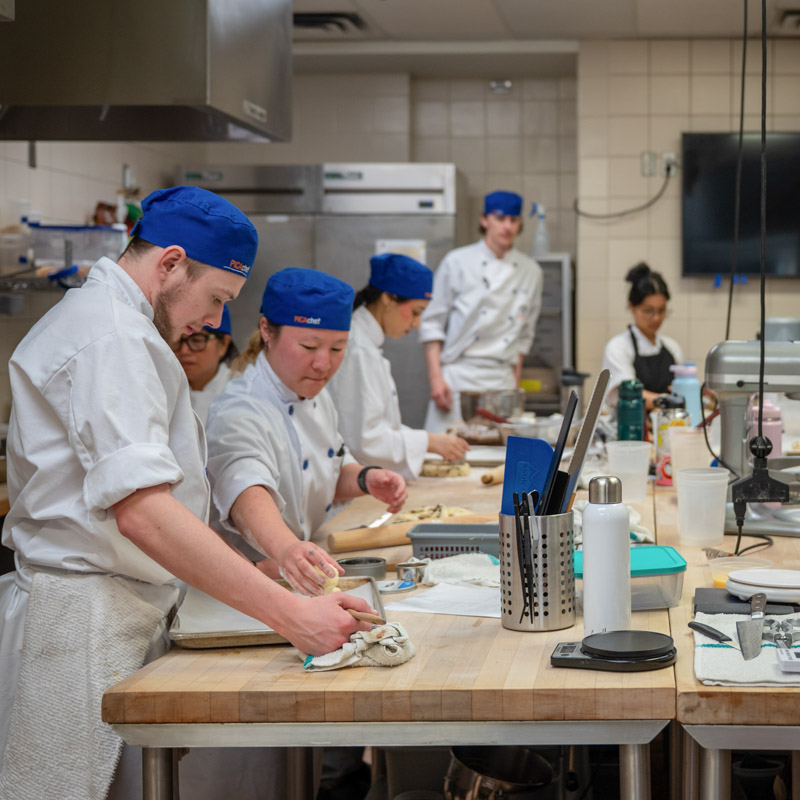
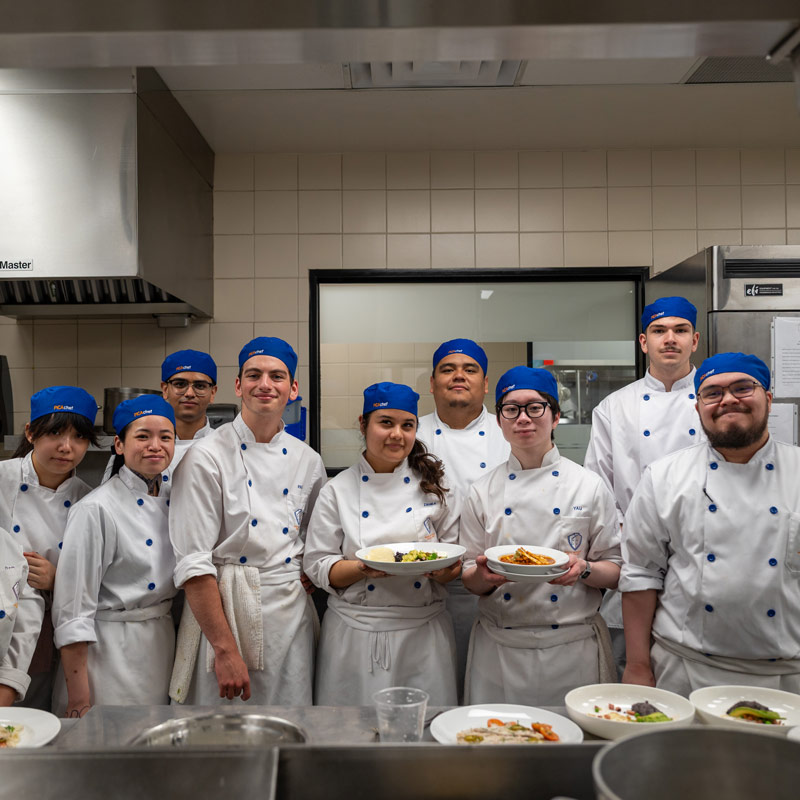
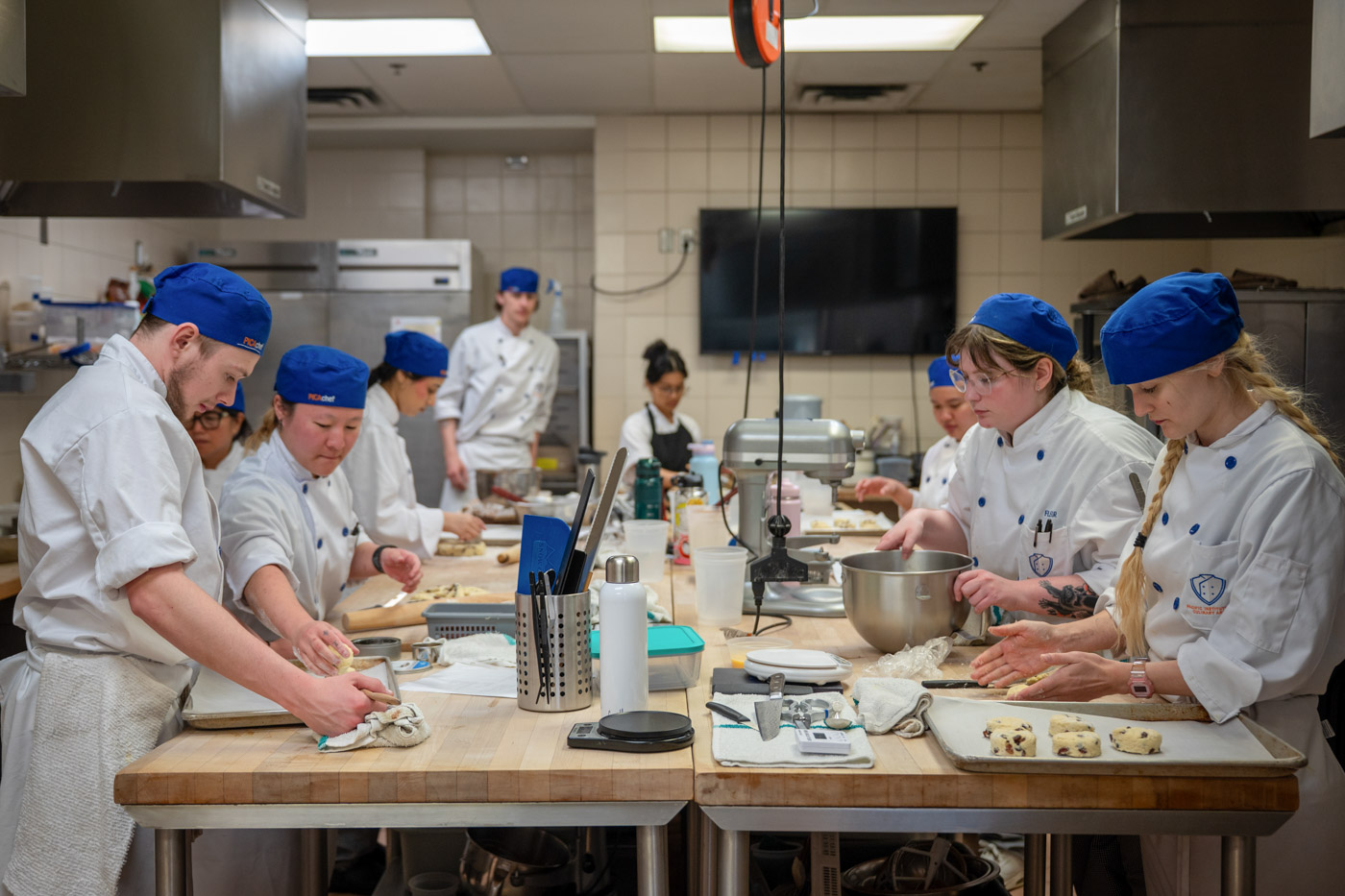
- That's one reason students are drawn to the Professional Culinary Arts Diploma at PICAchef. Rather than spending most of your time in a lecture hall, you'll be working in one of eight professional training kitchens, building skills the same way professional chefs do—through practice.
Vancouver Offers a Different Kind of Education
- A culinary education doesn't stop when class ends.
- One of the biggest advantages of studying in Vancouver is the city itself. Within a few blocks you can find incredible sushi, modern Italian restaurants, classic French bistros, artisan bakeries, neighbourhood cafés, and one of the best public markets in North America.
- Being located on Granville Island means students are surrounded by local producers, fishermen, cheesemakers, butchers, and seasonal ingredients every day. It becomes part of the learning experience.
- Many graduates say some of their best lessons came from simply exploring the city's food scene after class.
Learn the Fundamentals—Then Learn to Think Like a Chef
- The techniques you learn during culinary school should stay with you for your entire career.
- That means mastering the fundamentals first. Knife skills. Stocks. Sauces. Butchery. Bread. Pastry. Timing. Organization. Cleanliness.
- Once those become second nature, creativity starts to happen naturally.
- At PICAchef, the curriculum combines classical cooking techniques with modern trends, giving students the confidence to cook in almost any professional kitchen while encouraging them to develop their own style along the way.
A Culinary Career Looks Different Than It Did 20 Years Ago
- Not every graduate dreams of becoming an executive chef—and that's okay.
- Today's culinary industry offers careers in hotels, wineries, bakeries, catering companies, recipe development, food photography, hospitality management, private dining, and entrepreneurship.
- Programs like the Grand Diploma in Culinary & Baking & Pastry Arts are designed to reflect that reality, blending practical kitchen training with topics like menu development, food costing, portfolio building, interview preparation, and industry networking.
Is It Worth Leaving Alberta?
- For some students, staying close to home is the right decision.
- For others, studying somewhere new becomes part of the experience.
- Living in another city teaches independence. Meeting classmates from around the world exposes you to different cultures and cuisines. Learning from chefs with international experience broadens the way you think about food.
- Those experiences often become just as valuable as what happens in the kitchen.
Choosing the Right Culinary School
- If you're comparing a culinary school in Alberta with programs elsewhere in Canada, don't just compare tuition or program length.
- Visit the campus if you can. Meet the instructors. Ask where graduates are working. Find out how much time you'll actually spend cooking. Look for a school that pushes you to improve while giving you the support to succeed.
- The right culinary school doesn't simply teach recipes. It helps you build the confidence, discipline, and curiosity that every great chef carries throughout their career.