If you're researching a culinary institute in Vancouver, you're probably asking yourself a few important questions. What programs are available? Will I get enough hands-on training? Can a culinary education actually help me build a career in food?
With so many options available, choosing the right culinary school can feel overwhelming. The good news is that there are a few key factors that can help narrow your search.
Hands-On Training Matters
Cooking is a craft that can only be learned by doing. While theory has its place, the best culinary education happens in the kitchen.
When evaluating a culinary institute in Vancouver, look closely at how much practical training is included in the program. How often are students cooking? How large are the classes? Are students working with professional equipment?
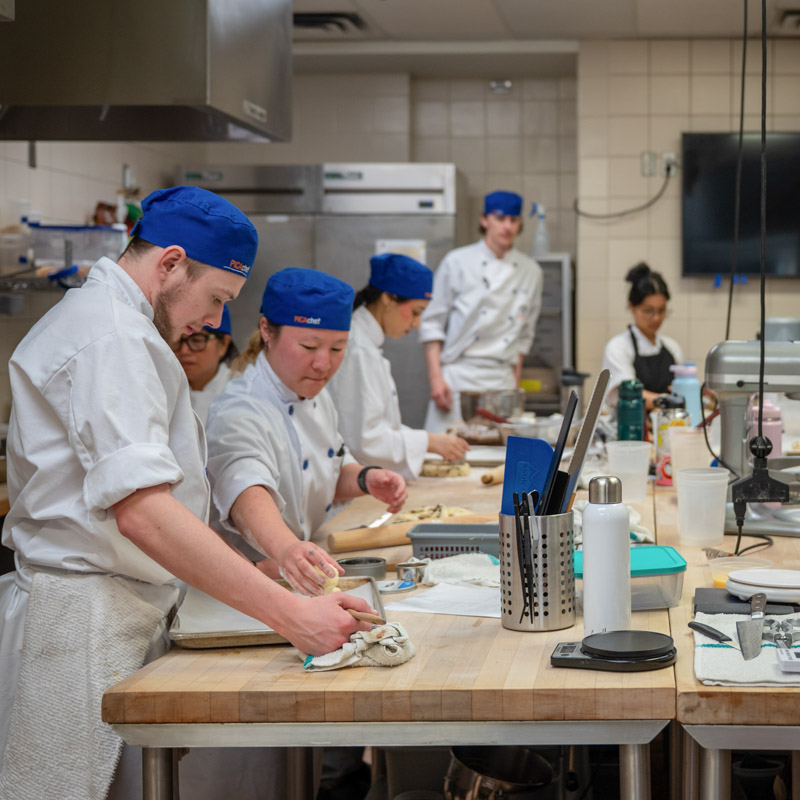
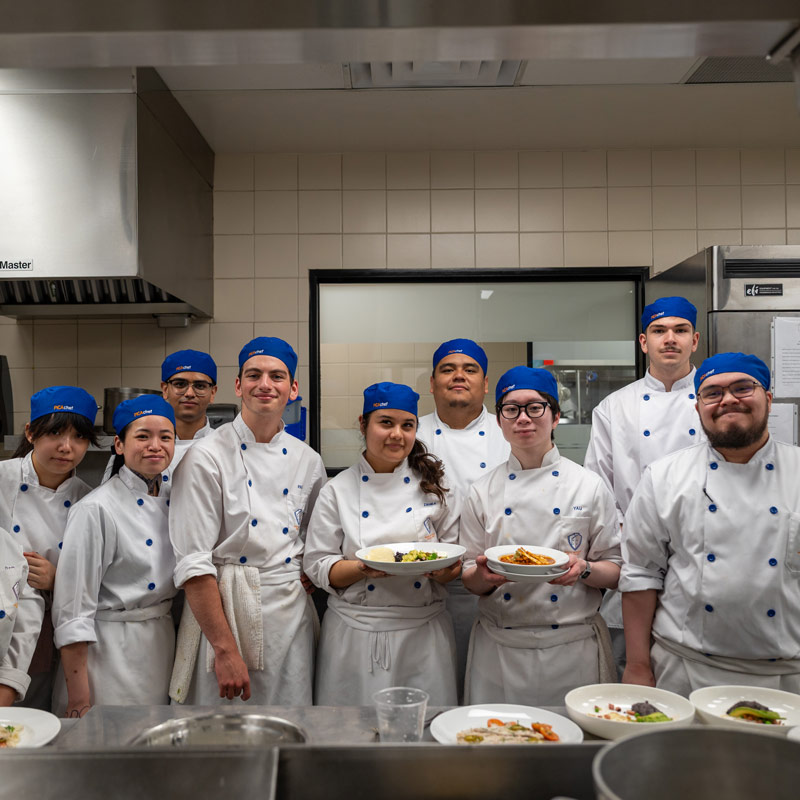
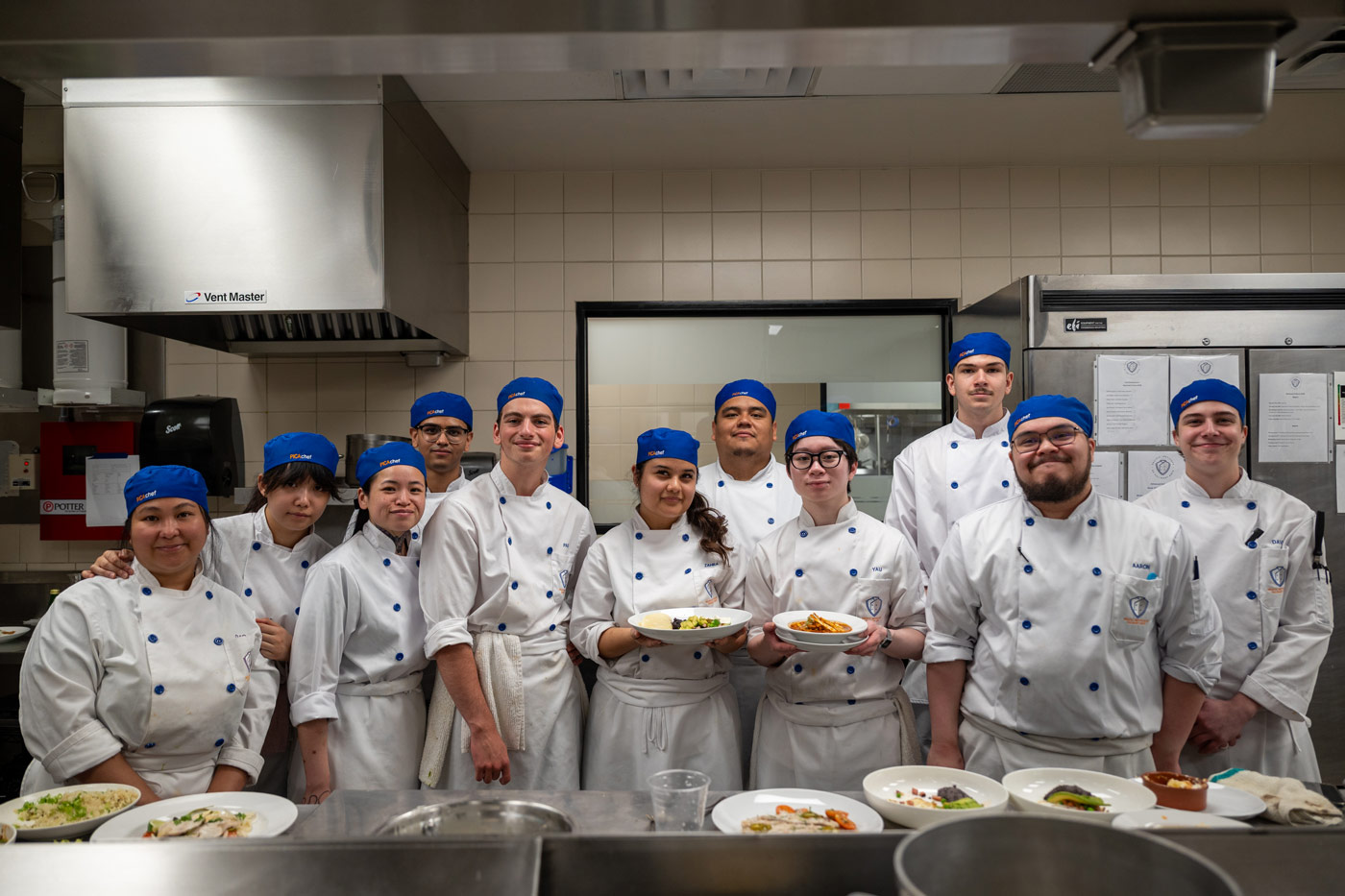
At PICAchef, students spend the majority of their time developing real-world kitchen skills in one of eight professional training kitchens. From knife skills and stocks to butchery, sauces, breads, pastries, and international cuisine, learning happens through repetition, practice, and hands-on experience.
Learn From Industry Professionals
One of the biggest advantages of attending a culinary school is learning directly from chefs who have worked in the industry.
Experienced instructors bring more than technical knowledge to the classroom. They provide insight into kitchen culture, career development, and the realities of working in the food industry. They can also help students avoid common mistakes and build confidence faster than self-teaching alone.
Small Classes Create Better Learning Opportunities
Not all culinary programs are created equal. In larger classes, it can be difficult to receive personalized feedback or ask questions when challenges arise.
Smaller class sizes allow instructors to work closely with students and provide guidance throughout the learning process. Whether you're refining a sauce, shaping artisan bread, or plating a dish for service, individual feedback can make a significant difference in your development.
Beyond the Kitchen
Many people associate culinary school solely with cooking, but today's food industry offers a wide variety of career paths.
Graduates can pursue opportunities in restaurants, hotels, bakeries, catering companies, food media, product development, hospitality management, and entrepreneurship. A strong culinary education should prepare students for more than just life on the line.
That's why programs like the Professional Culinary Arts Diploma and Grand Diploma Program incorporate topics such as food costing, menu development, sustainability, food photography, portfolio building, and career preparation alongside practical kitchen training.
Finding the Right Fit
The best culinary institute in Vancouver is ultimately the one that aligns with your goals, learning style, and career ambitions.
Take time to visit campuses, speak with admissions advisors, attend open houses, and ask questions. Look for a school that offers hands-on learning, experienced instructors, strong industry connections, and a supportive environment where you can grow.
For many aspiring chefs, bakers, and food entrepreneurs, culinary school is more than an education—it's the first step toward a lifelong career doing something they love.
Whether you're just beginning your journey or considering a career change, choosing the right culinary institute can be one of the most rewarding investments you make in your future.