Here at Vancouver’s Premier Culinary School, food trends in 2026 aren’t about novelty for novelty’s sake. Instead, they reflect a deeper shift toward intentional cooking — where flavour, technique, wellness, and cultural awareness work together. For chefs and home cooks alike, this year is less about chasing viral dishes and more about cooking with clarity and confidence.
Bold Flavour, Used with Restraint
Big flavour still leads in 2026, but it’s achieved more thoughtfully. Ingredients like miso, fermented sauces, chili crunch, citrus, and vinegars allow cooks to build depth without excess.
“Big flavour isn’t about piling things on,” says Chef Ben, Lead Instructor. “It’s about understanding balance — and knowing when to stop.”
Sweet heat and umami are layered carefully, enhancing ingredients rather than masking them.
Vegetable-Forward Cooking with Structure
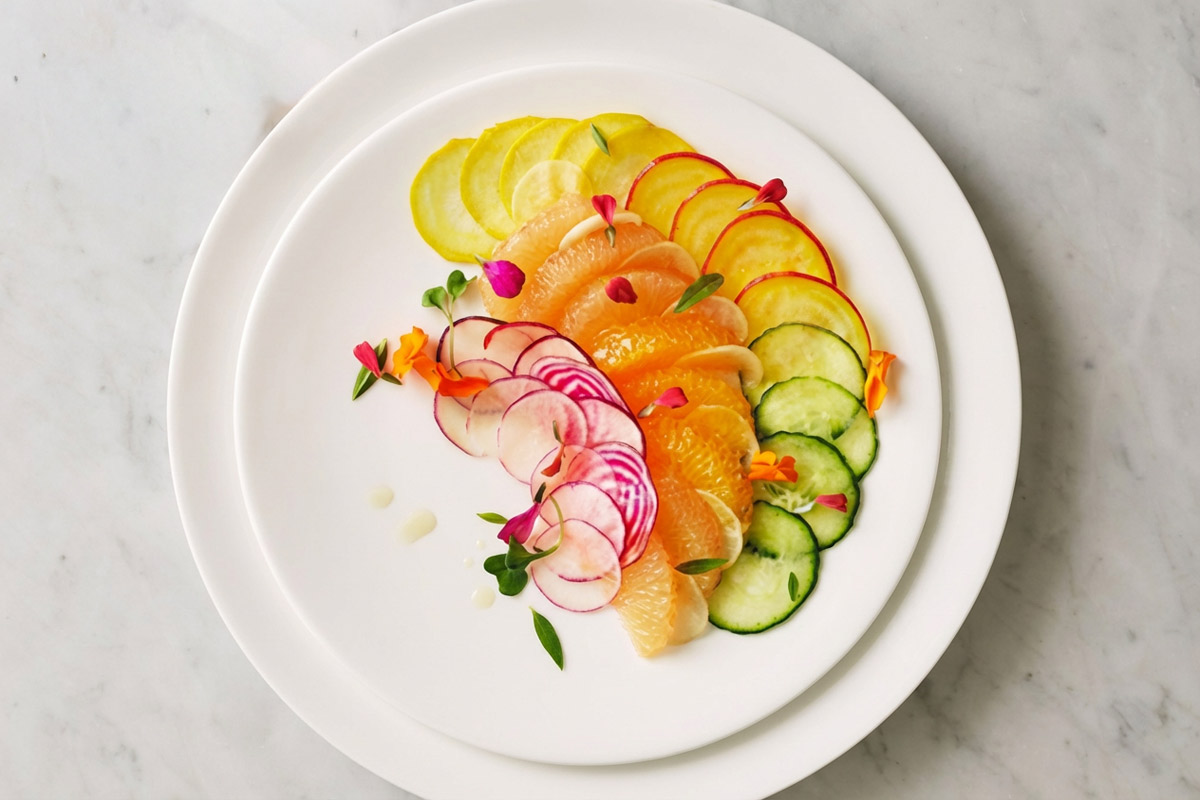
Vegetables continue to move to the centre of the plate, with technique and texture taking priority. High-heat cooking encourages caramelization while preserving a pleasant bite, avoiding the softness people associate with overcooked vegetables. The result is food that feels clean, confident, and satisfying.
This months featured recipe of Caramelized Cabbage Steaks is a great of example of this
Protein with Purpose
Protein remains important, but the focus has shifted from quantity to quality. Better sourcing, smarter portions, and solid technique define protein cookery in 2026, resulting in plates that feel balanced rather than heavy.
Wellness That Feels Like Real Food
Health-forward cooking is practical and flavour-driven. Fiber-rich grains, fermented foods, and naturally energizing ingredients are integrated naturally into everyday meals — no extremes required.
Global Roots, Local Expression
Rather than broad fusion, cooks are drawing from specific regional techniques and traditions, adapting them thoughtfully with local ingredients and modern execution.
“Texture is everything with vegetables,” notes Chef Phyllis. “Once you lose structure, you lose flavour — and that’s where people start to disengage.”
What This Means at PICAchef
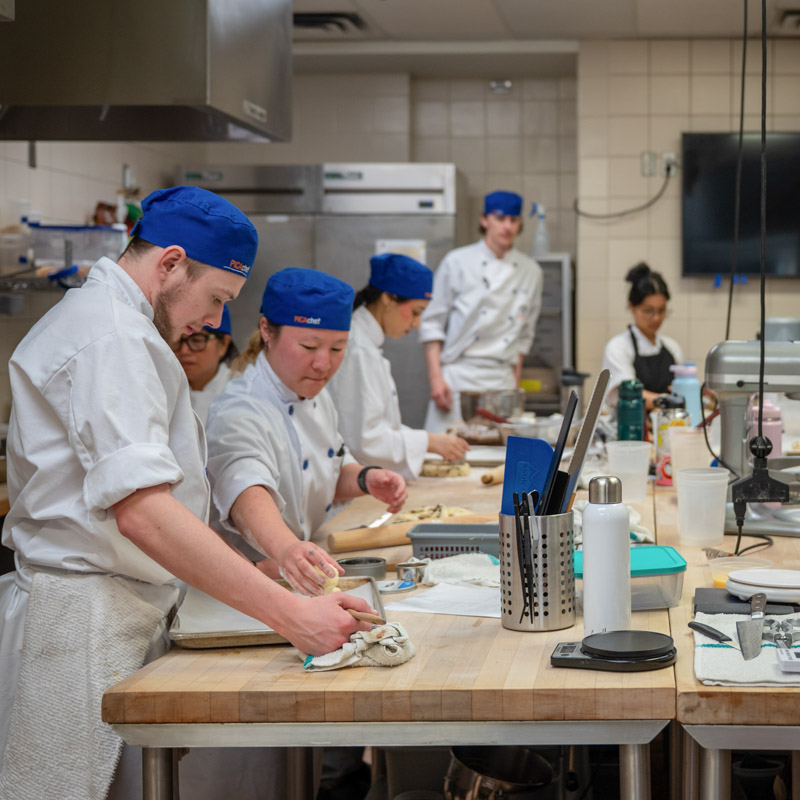
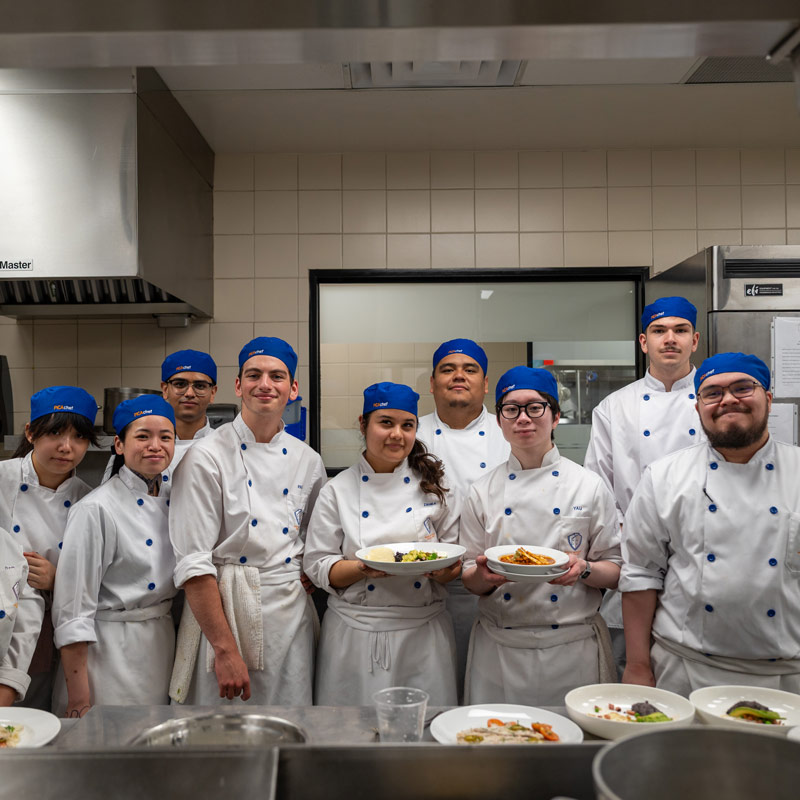
At PICAchef, these trends reflect how we teach everyday: hands-on, technique-driven, and grounded in real kitchens. Understanding why something works builds confidence that lasts long after trends change.
Food trends may evolve — but skills, flavour, and intention last.